Why Sewage Treatment Matters in Sri Lanka
- Sewage Treatment Plants (STPs) in Sri Lanka – Sustainable Solutions by ABC Aqua Science
Across Sri Lanka, the demand for effective wastewater management continues to rise as rapid urban development, growing tourism, and expanding industries place increasing stress on our natural water resources. Untreated sewage can pollute rivers, contaminate groundwater and create serious health risks for surrounding communities.
A modern Sewage Treatment Plant (STP) is no longer optional anymore; it is essential for proper wastewater management. With strict discharge standards set by the Central Environmental Authority (CEA), every facility must ensure that wastewater is treated to safe, compliant levels before being released into the environment.
Why Wastewater Treatment Plants Are Important in Sri Lanka?
- Safeguarding Water Sources
- Protecting Community Health
- Reducing Long-term costs
- Promoting Sustainable Development
- Ensuring Compliance with CEA Requirements
Why Choose Our Fuji Clean Sewage Treatment Plants?
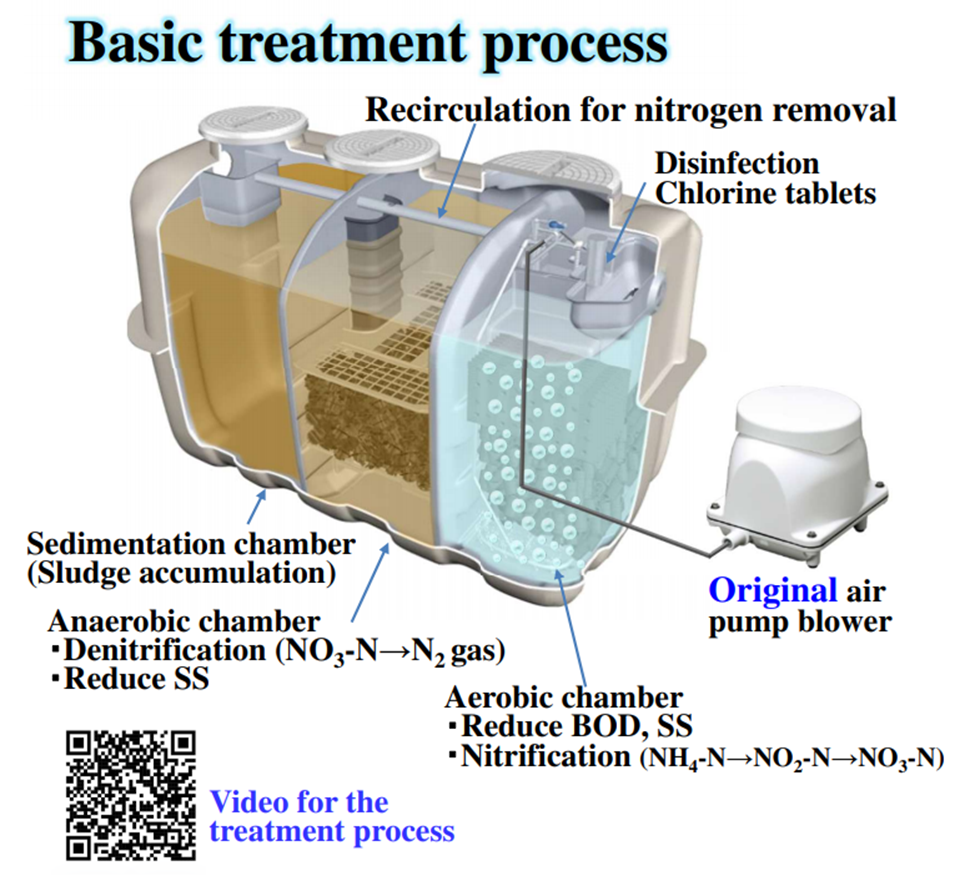
FujiClean from Japan is a developer of on-site wastewater treatment technology and is one of the world’s leading manufacturers of residential and commercial wastewater treatment systems or “JOHKASOU ” in Japanese. FujiClean will continue to develop and provide wastewater treatment systems with optimal performance to ensure a safe and clean water environment for future generations.
As a trusted importer and provider of Fuji Clean Japan’s advanced STP systems, our company has taken the lead in delivering compact, energy-efficient, and reliable treatment solutions across Sri Lanka. Fuji Clean technology is globally recognized for its high treatment performance, low power consumption, and long operational lifespan. Whether it’s a small housing project or a large commercial development, we deliver systems that meet both environmental standards and the operational needs of our clients.
Our Sewage Treatment Plants Are Trusted By
- Hotels & resorts
- Hospitals & medical centers
- Residential apartments & housing projects
- Factories & industrial zones
- Universities & other institutions
- Published in Uncategorized