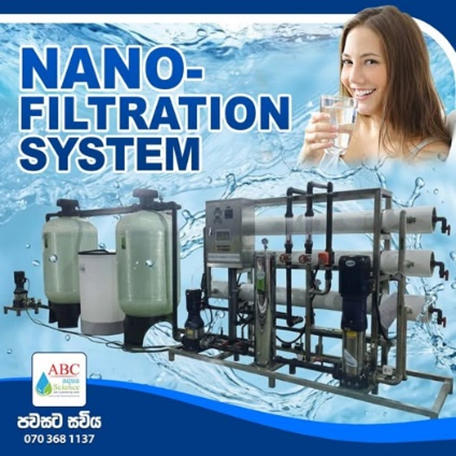
Nanofiltration System
A Nano filtration System is a modern Water Treatment Technology that uses Nanofiltration membranes to remove dissolved salts, organic compounds, bacteria, and other contaminants from water. Nanofiltration operates between ultrafiltration and reverse osmosis in terms of filtration capability.
This technology is widely used in drinking water purification, industrial water treatment, and wastewater recycling because it can remove very small particles while allowing some useful minerals to remain in the water. Nanofiltration has become an important technology in modern water purification systems due to its high efficiency and lower energy consumption compared with reverse osmosis.
Mechanism
The Nanofiltration mechanism works through a semi-permeable membrane that separates contaminants from water by applying pressure (usually 5–20 bar). During the process, pressure forces water molecules toward the membrane surface. The extremely small pores of the membrane allow water molecules to pass through while rejecting larger particles and dissolved substances.
Nano Membrane
The nano membrane is the core component of a nanofiltration system. It is usually made from advanced polymer materials such as polyamide or thin-film composite membranes. These membranes contain extremely small pores with a size of approximately 0.001 – 0.01 microns (about 1 nm). Nanofiltration membranes operate under moderate pressure, which is generally lower than the pressure required for reverse osmosis but higher than that used in ultrafiltration. One of the important characteristics of nano membranes is their selective filtration capability. These membranes can remove hardness-causing ions such as calcium and magnesium, as well as heavy metals and organic compounds, while allowing certain beneficial minerals to remain in the treated water. In addition, these systems are designed to provide high permeability and strong chemical resistance, thereby enhancing the efficiency and durability of the filtration process.
Rejection and Recovery
Rejection refers to the ability of the membrane to prevent contaminants from passing through into the permeate water. It is usually expressed as a percentage and indicates how effectively the membrane removes impurities. A high rejection value means the membrane is very effective at removing contaminants such as calcium, magnesium, sulfates, and various organic compounds.
Recovery refers to the percentage of feed water that is converted into purified water, known as permeate. Higher recovery improves the efficiency of water use in the system. However, recovery must be carefully controlled because very high recovery can increase the risk of membrane fouling and scaling.
Nano Pre-Treatment and Post-Treatment
Pre-Treatment;
Pre-treatment is an essential step in a nanofiltration system because it protects the membrane from fouling, scaling, and physical damage. Feed water often contains suspended solids, chlorine, and other substances that can reduce membrane performance. Therefore, several pre-treatment methods are applied before the water enters the nanofiltration unit.
Common pre-treatment methods include,
- Sand filtration – eliminate larger sediments
- Activated carbon filtration – remove chlorine and organic compounds
- Cartridge filtration – remove very fine particles.
In addition, Antiscalant addition help prevent mineral scaling on the membrane surface. Proper pre-treatment significantly improves membrane life and ensures stable system performance.
Post-Treatment;
Post-treatment may be required to improve the final water quality and stability. Post-treatment processes typically include pH adjustment, disinfection using ultraviolet (UV) light or chlorination, and mineral addition or stabilization to maintain the desired water quality. These post-treatment steps ensure that the purified water meets required quality standards.
Factors Affecting Nano Membrane Performance
The performance of nanofiltration membranes can be influenced by several operational and environmental factors.
- Feed Water Quality
Feed water quality, since water with high turbidity or high concentrations of contaminants can cause membrane fouling.
- Operating Pressure
Operating pressure also affects performance; increasing pressure generally increases water flow through the membrane, but excessive pressure may damage the membrane.
- Temperature
Higher temperatures usually increase membrane permeability but may also affect membrane stability.
- pH level
The pH level of the feed water must also be maintained within an acceptable range because extreme pH conditions can damage the membrane material.
Additionally, scaling and fouling caused by mineral deposits or biological growth can reduce membrane efficiency. Flow rate and concentration polarization can also affect performance if the system is not properly designed or operated.
Feed Water Requirement
For efficient operation, the feed water entering the nanofiltration system must meet certain quality requirements. The turbidity of the feed water should generally be below 1 NTU to prevent clogging of the membrane pores. The number of suspended solids should also be minimal to reduce fouling.
The hardness and scaling potential of the water should be controlled through proper pre-treatment methods. Additionally, the feed water should be maintained within an appropriate pH range, typically between 3 and 10, depending on the type of membrane used. Meeting these feed water requirements ensures stable system operation, longer membrane life, and consistent production of high-quality purified water.
Conclusion
The nano filter system is an efficient and advanced technology for water purification. By using specially designed nanofiltration membranes, it can effectively remove harmful contaminants while allowing beneficial minerals to remain in the treated water. The efficiency of the system depends on proper membrane design, adequate pre-treatment and post-treatment processes, and suitable operating conditions. As water pollution and demand for clean water continue to increase worldwide, nanofiltration technology is expected to play a crucial role in sustainable water treatment and environmental protection.
- Published in Uncategorized
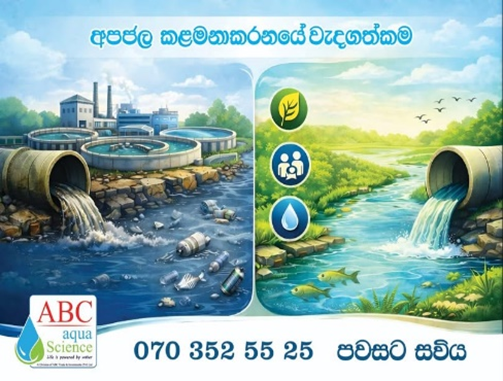
Importance of Wastewater Management in Sri Lanka
Did you care about this?
Wastewater management in Sri Lanka is essential for environmental protection, public health, and sustainable development. The level of wastewater is increasing due to rapid urbanization, industrialization, and population growth in the country. Releasing untreated wastewater into rivers, lakes, drainage systems, and the ocean can cause serious water pollution, destroy aquatic life, create unpleasant odors, and disturb environmental balance. It also affects agriculture and pollutes groundwater sources.
Poor wastewater management can have serious impacts on public health. Consuming contaminated water can increase waterborne diseases such as diarrhea, cholera, typhoid, and hepatitis, which reduce the quality of life. However, properly treated wastewater can be reused for gardening, agriculture, and industrial purposes, helping to reduce water shortages.
From an economic perspective, effective wastewater management protects major sectors of Sri Lanka’s economy, such as tourism, fisheries, agriculture, and industries. Clean beaches, rivers, and lakes attract tourists and help maintain environmental balance. In addition, following Central Environmental Authority (CEA) standards helps industries and commercial institutions avoid legal issues and fines, supporting long-term development and promoting an eco-friendly culture.
Author – Inuri Siriwardhana
Translation:
ඔබ මේ ගැන සැලකිලිමත් වූවාද ?
ශ්රී ලංකාවේ අපජල කළමනාකරණයේ වැදගත්කම
ශ්රී ලංකාවේ අපවිත්ර ජල කළමනාකරණය පරිසර ආරක්ෂාව, මහජන සෞඛ්ය සහ තිරසාර සංවර්ධනය සඳහා අතවශ්ය කරුණකි. රට තුළ නාගරීකරණය, කර්මාන්තකරණය සහ ජනගහන වර්ධනය වැඩිවීමත් සමඟ අපවිත්ර ජල පරිමාණයද ඉහළ යමින් පවතී. නිසි ප්රතිකාරයකින් තොරව ගඟා, වැව්, කාණු පද්ධති මෙන්ම මුහුද වෙත අපවිත්ර ජලය මුදාහැරීමෙන් ජල දූෂණය, ජලජ ජීවින් විනාශය, දුර්ගන්ධය සහ පරිසර අසමතුලිතතා ඇති වේ. මෙය කෘෂිකර්මයටද බලපාන අතර භූගත ජලය දූෂිත වීමට හේතු වේ.
අපවිත්ර ජල කළමනාකරණය අසාර්ථක වීම මහජන සෞඛ්යයට දැඩි බලපෑම් ඇති කරයි. දූෂිත ජලය භාවිතය හේතුවෙන් අතීසාරය, කොලරාව, ටයිෆොයිඩ්, හෙපටයිටිස් වැනි ජලය හරහා පැතිරෙන රෝග වර්ධනය විය හැකි අතර, මෙය ජීව ගුණාත්මකභාවය අඩු කිරීමටත් හේතු වේ. එසේම, අපවිත්ර ජලය නිසි ලෙස පිරිපහදු කිරීමෙන් පසු නැවත භාවිතය (උදාහරණ ලෙස උද්යාන කටයුතු, කෘෂිකර්මය, කර්මාන්ත ) සඳහා යොදා ගත හැකි අතර, ජල හිඟය අඩු කිරීමටද උපකාරී වේ.
ආර්ථික දෘෂ්ටි කෝණයෙන් බලන විට, හොඳ අපජල කළමනාකරණ පද්ධති ශ්රී ලංකාවේ ප්රධාන ආර්ථික ක්ෂේත්ර වන සංචාරක, මාළු, කෘෂිකර්ම සහ කර්මාන්ත ආරක්ෂා කරයි. පිරිසිදු වෙරළ, ගංඟා සහ වැව් සංචාරකයින් ආකර්ෂණය කරන අතර, ජල දූෂණය අඩු කිරීමෙන් ජීවිතය සහ පරිසරය අතර සමතුලිතතාව පවත්වා ගත හැක. තවද, කර්මාන්ත සහ වාණිජ ආයතන සඳහා CEA ප්රමිතීන් අනුගමනය කිරීම මඟින් නීතිමය ගැටලු සහ දඩ මුදල් අවම කරගත හැකි අතර, දීර්ඝකාලීනව සංවර්ධනය සහ පරිසර හිතකාමී සංස්කෘතියක් ගොඩනඟා ගැනීමටද මෙය දායක වේ.
Author – ඉනුරි සිරිවර්ධන
- Published in Uncategorized
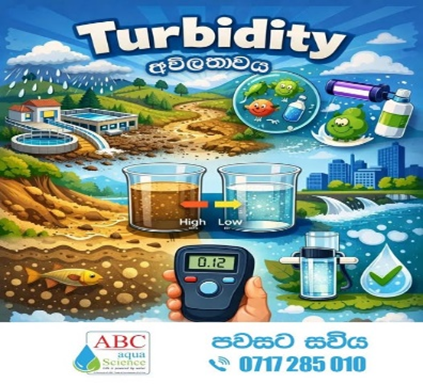
Turbidity
ජලයේ ගුණාත්මකභාවය තක්සේරු කිරීම සඳහා, විශේෂයෙන් පානීය ජල සැපයුම් සඳහා භාවිතා කරන වැදගත්ම භෞතික පරාමිතීන්ගෙන් එකක් වන්නේ, ආවිලතාවයයි (Turbidity). එය මැටි, රොන්මඩ, සියුම් වැලි, කාබනික ද්රව්ය, ඇල්ගී සහ ක්ෂුද්ර ජීවීන් වැනි අවලම්භිත ද්රව්ය සහ කොලොයිඩල් අංශු පැවතීම නිසා ඇති වන පැහැදිලි බවක් නොමැතිකම ගැන සඳහන් කරයි. මෙම අංශු ආලෝකය අවශෝෂණය කර ගන්නා අතර, එම නිසා ආවිලතාවය Nephelometric ක්රමය භාවිතයෙන් දෘශ්යමය වශයෙන් මනිනු ලබන අතර, එය Nephelometric Turbidity Units (NTU) මඟින් ප්රකාශ වේ. ආවිලයතාවය අහිතකර නොවුනත්, එය ජලයේ ගුණාත්මකභාවය, පිරිපහදු කාර්යක්ෂමතාව සහ සෞඛ්ය අවදානම පිළිබඳ තීරණාත්මක වක්ර දර්ශකයකි.
ආවිලතාවය මහජන සෞඛ්ය දෘෂ්ටිකෝණයෙන් වැදගත් වන්නේ, අවලම්භිත අංශු, ඵලදායී විෂබීජහරණයට බාධා කළ හැකි බැවිනි. ඉහළ ආවිලතාවය බොහෝ විට රෝග කාරක ඇති කල හැකි බව පෙන්නුම් කරන අතර, ක්ෂුද්ර ජීවීන්ට පිරිපහදු ක්රියාවලීන්ගෙන් දිවි ගලවා ගැනීමට ඉඩ සලසන තත්වයන් නිර්මාණය කරයි.
විශේෂයෙන්, මෙම ආවිලතාවය:
• ක්ලෝරීන් සහ UV වැනි විෂබීජ නාශක වලින්, බැක්ටීරියා, වෛරස් සහ ප්රොටොසෝවා ආරක්ෂා කරයි,
• පිරිපහදු කළ ජලයේ ක්ෂුද්ර ජීවී පැවතීමේ සම්භාවිතාව වැඩි කරයි,
• අවසාන පියවර ලෙස සිදුකරන විෂබීජහරණ ක්රියාවලියේ විශ්වසනීයත්වය අඩු කරයි.
එහි ප්රතිපලයක් ලෙස, ජලයෙන් බෝවන රෝග වැළැක්වීම සහ ආරක්ෂිත පානීය ජලය සහතික කිරීම සඳහා, විශේෂයෙන් මතුපිට ජලය පදනම් කරගත් සැපයුම් පද්ධතිවල ආවිලතාවය පාලන කිරීම අත්යවශ්ය වේ.
ගෝලීය වශයෙන්, ජලයේ ආවිලතා ස්වභාවය සාමන්ය ගැටළුවක් පමණක් නොව තීරණාත්මක මෙහෙයුම් පාලන පරාමිතියක් ලෙස සැලකේ. ඵලදායී විෂබීජහරණය සහතික කිරීම සඳහා, පිරිපහදු කළ පානීය ජලයේ ආවිලතා ස්වභාවය හැකිතාක් අඩු මට්ටමක තබා ගත යුතු බවත්, සාමන්යයෙන් 1 NTU ට අඩු විය යුතු බවත් ලෝක සෞඛ්ය සංවිධානය (WHO) නිර්දේශ කරයි.
ශ්රී ලංකාවේ, මතුපිට ජල ප්රභවයන් සහ සෘතුමය වර්ෂාපතනය මත යැපීම හේතුවෙන්, ආවිලතා ස්වභාවය සැලකිය යුතු අභියෝගයක් ලෙස පවතී. මෝසම් වැසිවල බලපෑම්, සහ ජල පෝෂක ප්රදේශවල ක්රියාකාරකම් බොහෝ විට ජල ආවිලතා ස්වභාවයේ වේගවත් වැඩිවීමක් ඇති කරයි. මේ සඳහා ප්රශස්ත මට්ටමේ පිරිපහදු ක්රියාවලීන් අවශ්ය වේ. පානීය ජල ප්රමිතියට අනුව (Drinking Water Quality Standards), 2 NTU ලෙස ආවිලතාවයේ සීමාවක් නියම කරයි.
ඉහළ ආවිලතා මට්ටම ජල පිරිපහදු යන්ත්රවල ක්රියාකාරීත්වයට සහ පිරිවැයට සෘජුවම බලපායි.
එයට හේතු වන්නේ:
• රසායනික ඉල්ලුම (Coagulant and chemical) වැඩි වීම,
• නිතර නිතර පෙරහන් පිරිසිදු කිරීමට සිදුවීම (Backwashing),
• ඉහළ බලශක්ති භාවිතය සහ අමතර ජලය අවශ්ය වීම,
• පෙරහන් අවහිරවීමේ අවදානමක් තිබීම, වේ.
මිට අමතරව ආවිලතාවය, ස්වභාවික ජල මූලාශ්රවල පාරිසරික බලපෑම් ද ඇති කරයි. ඉහළ ආවිලතා මට්ටම:
• ආලෝක විනිවිද යාම අඩු කරන අතර ප්රභාසංස්ලේෂණය සීමා කරයි,
• ජලජ වාසස්ථාන සහ මත්ස්ය හැසිරීම් වලට බාධා කරයි,
• දිගුකාලීන බලපෑමක් ලෙස ජල පෝෂක හායනය පෙන්නුම් කරයි.
ඵලදායී ජල තත්ත්ව කළමනාකරණය සඳහා ආවිලතා මට්ටම මැනීම සහ නිරීක්ෂණය කිරීම අත්යවශ්ය වේ. ඒ සඳහා,
• පිරිපහදු යන්ත්රවල අඛණ්ඩ අධීක්ෂණය සඳහා ආවිලතා විශ්ලේෂක (Online Turbidity Analyzers),
• ක්ශේත්ර සහ අනුකූලතා පරීක්ෂණ සඳහා රැගෙන යා හැකි ආවිලතා මීටර (Turbidity Meters),
• විල් සහ ජලාශ සඳහා Secchi Disk වැනි සරල ක්ශේත්ර ක්රම,
• වේගවත්, ස්ථානීය පරීක්ෂාවන් සඳහා ක්ශේත්ර පරීක්ෂණ කට්ටල (Test Kits).
ආවිලතාවය යනු මහජන සෞඛ්ය ආරක්ෂාව, පිරිපහදු කාර්යක්ෂමතාව, මෙහෙයුම් පිරිවැය සහ පාරිසරික තිරසාරභාවයට බලපාන මූලික පරාමිතියකි. විශේෂයෙන් ශ්රී ලංකාව වැනි මතුපිට ජලය මත යැපෙන කලාපවල, ආරක්ෂිත සහ විශ්වාසදායක පානීය ජලය සැපයීම සඳහා සාධාරණ ලෙස ළඟා කර ගත හැකි තරම් අඩු ආවිලතා මට්ටමක් පවත්වා ගැනීම අත්යවශ්ය වේ.
Author – සංචිලා හපුතැන්න
- Published in Uncategorized