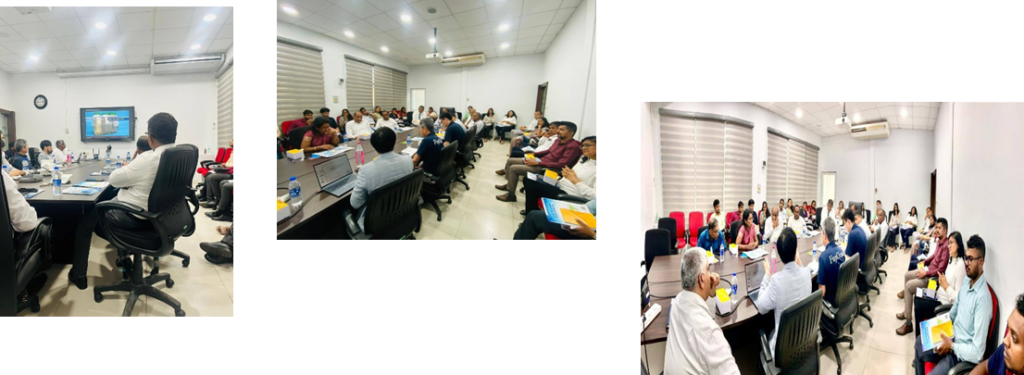
Conducted Presentation on FujiClean
We conducted a presentation on FujiClean Japanese wastewater treatment solutions at the National Water Supply & Drainage Board, Rathmalana.
Engaging with engineers and consultants from the Water Supply & Sewage Treatment Division through meaningful knowledge sharing.
- Published in Uncategorized
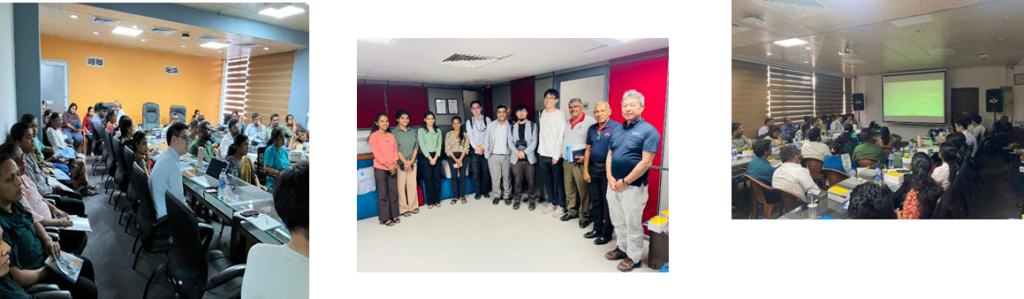
Sharing Expertise on Fuji Clean
Sharing expertise on FujiClean Japanese wastewater treatment solutions with the building department’s water supply and sewage treatment division. driving sustainable development through advanced technology.
- Published in Uncategorized
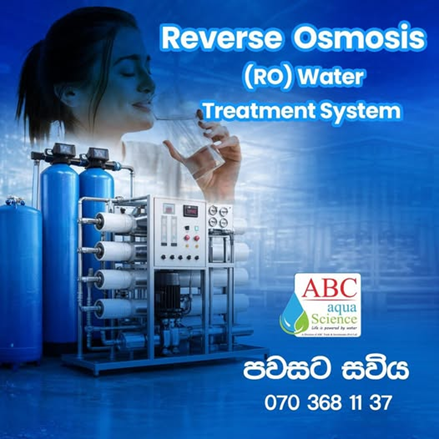
RO Water Treatment Systems
Reverse Osmosis (RO) is a widely used and highly effective water purification technology designed to remove dissolved salts, contaminants, and impurities from water. It is commonly applied in residential, commercial, and industrial water treatment systems where high-quality purified water is required. The RO process is valued for its ability to produce consistent, reliable, and safe water for drinking and process applications.
Reverse Osmosis Mechanism
The reverse osmosis mechanism works by applying external pressure to feed water, natural equilibrium forcing it to flow through a semi-permeable membrane.
This pressure overcomes the natural osmotic pressure, allowing purified water (called permeate) to pass through the membrane while rejecting dissolved salts, organic compounds, microorganisms, and other impurities. The rejected contaminants are carried away in a separate stream known as concentrate or reject water.
This process purifies the water, often reducing total dissolved solids content by 99%.
Semi-Permeable Membrane
The semi-permeable membrane is the core component of an RO system. It is designed to allow water molecules to pass through while blocking larger ions, salts, and contaminants. RO membranes are typically made from thin-film composite materials that provide high salt rejection and durability. Feed water is delivered under pressure to the membranes, where reverse osmosis takes place. Water permeates the minute pores of the membrane and is delivered as purified product water.
The performance and lifespan of the membrane are critical to the overall efficiency of the RO system.
Rejection and Recovery
Two key performance indicators of an RO system are rejection and recovery.
• Rejection refers to the percentage of dissolved salts and contaminants removed from the feed water by the membrane. High-quality RO systems typically achieve salt rejection rates of 95–99%.
• Recovery refers to the percentage of feed water converted into permeate. Higher recovery improves water efficiency but must be carefully managed to avoid membrane fouling and scaling.
RO Pre-Treatment and Post-Treatment
RO pre-treatment is critical for protecting the membrane and maintaining system performance.
Pre-treatment processes
• Multimedia filtration to remove suspended solids
• Activated carbon filtration to eliminate chlorine and organic compounds
• Water softening to reduce hardness.
• In some cases, antiscalant dosing and micron cartridge filters are also used.
Post-treatment improves the quality and usability of RO water. This may include UV disinfection to control microbial contamination, mineralization to restore essential minerals, or pH adjustment for improved taste and corrosion control.
Factors Affecting RO Membrane Performance
Several factors influence the performance and longevity of RO membranes:
• Pressure: Adequate operating pressure is essential to drive water through the membrane. Low pressure reduces permeate flow, while excessive pressure can damage the membrane. The fouling causes the membrane to become less porous, thus decreasing the amount of product water.
• Hydrolysis: Prolonged exposure to extreme pH levels or high temperatures can cause chemical degradation of the membrane material. In general, happens when the water temperature is high and the pH is below 2.5 and above 7.
• Bacteria: Microbial growth on the membrane surface can lead to biofouling, reducing performance and increasing pressure drop.
• Temperature: Higher temperatures increase water permeability but may shorten membrane life if operating limits are exceeded.
• Surface Coating or Fouling: Accumulation of suspended solids, organic matter, or scale on the membrane surface reduces efficiency and requires proper pretreatment.
Feed Water Requirements
To ensure optimal RO system performance, feed water quality must meet specific parameters. Important feed water requirements include controlled turbidity, low suspended solids, appropriate pH range, limited iron and manganese levels, and reduced chlorine content. Pretreatment processes such as multimedia filtration, activated carbon filtration, and softening are often used to protect the RO membrane and enhance system reliability.
Reverse Osmosis systems provide an advanced and dependable solution for producing high-purity water. By understanding the RO mechanism, membrane characteristics, rejection and recovery rates, performance-influencing factors, and feed water requirements, users can ensure efficient operation and long-term system performance. RO technology remains one of the most trusted methods for modern water purification needs.
Author – Gimhara Nemindhi
- Published in Uncategorized
Water Hardness
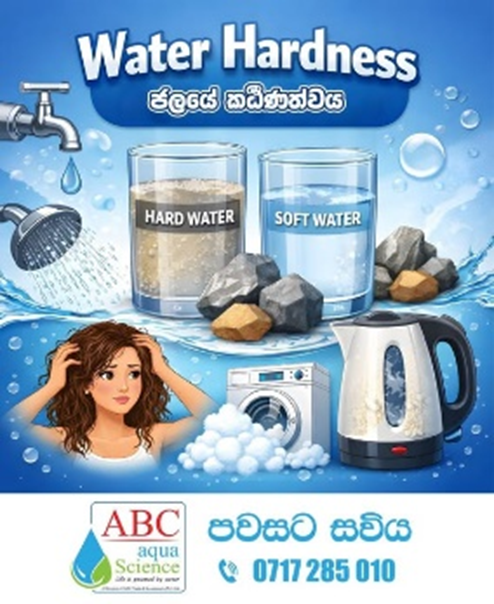
ජල කඨීණත්වය යනු නිවාස, කර්මාන්ත සහ සමස්ත ජීවී ප්රජාවට ම බලපාන වැදගත් ජල තත්ත්ව පරාමිතියකි. එය ජලයේ දියවී ඇති ඛනිජ ලවණ, ප්රධාන වශයෙන් කැල්සියම් (Ca²⁺) සහ මැග්නීසියම් (Mg²⁺) අයන තිබීම ගැන සඳහන් කරයි.
වැසි ජලය, පස සහ ලයිම්ස්ටෝන්, හුණු, ජිප්සම් වැනි පාෂාණ හරහා ගලා යන විට, මෙම ඛනිජ ස්වභාවිකවම ජලයට ඇතුල් වේ. එබැවින්, ජල කඨීණත්වය ස්වාභාවික සංසිද්ධියක් වන අතර, විශේෂයෙන් ළිං සහ නළ ළිං වැනි භූගත ජල මූලාශ්රවල බහුලව දක්නට ලැබේ.
කඨීණ ජලය සාමාන්යයෙන් පානය කිරීමට ආරක්ෂිත වුවද, අධික කඨීණත්වය එදිනෙදා කටයුතුවලදී බොහෝ ප්රායෝගික ගැටළු ඇති කළ හැකිය.
විද්යාත්මක, ජල කඨීණත්වය ප්රධාන වර්ග දෙකකට වර්ගීකරණය කර ඇත:
• තාවකාලික කඨීණත්වය
• ස්ථිර කඨීණත්වය
තාවකාලික කඨීණත්වය කැල්සියම් සහ මැග්නීසියම් බයිකාබනේට් මගින් ඇති වන අතර රත් කිරීමෙන් ඉවත් කළ හැකිය. මන්ද රත්කිරීමේදී බයිකාබනේට්, ජලයේ දියනොවන කාබනේට් බවට පරිවර්තනය කර, අවක්ශේප වීම තුලින් ඉවත් කළ හැකිය.
ස්ථිර කඨීණත්වය කැල්සියම් සහ මැග්නීසියම්, සල්ෆේට් සහ ක්ලෝරයිඩ් මගින් ඇති වන අතර රත්කිරීම මඟින් ඉවත් කළ නොහැක. මෙම ආකාරයේ කඨීණත්වය සඳහා රසායනික ප්රතිකාර හෝ පෙරීමේ ක්රම අවශ්ය වේ.
මෙම වර්ග දෙක තේරුම් ගැනීම, ජලය මෘදු කිරීම සඳහා නිවැරදි ප්රතිකාර ක්රමය තෝරා ගැනීමට උපකාරී වේ.
ජල කඨීණත්වය සාමාන්යයෙන් මනිනු ලබන්නේ ලීටරයකට මිලිග්රෑම් (mg/L) හෝ මිලියනයකට කොටස් (ppm) ලෙස කැල්සියම් කාබනේට් (CaCO₃) ලෙසිනි.
කඨීණතා මට්ටම් මත පදනම්ව, ජලය මෘදු, මධ්යස්ථ කඨීණ, කඨීණ හෝ ඉතා කඨීණ ලෙස වර්ගීකරණය කර ඇත. මෘදු ජලයේ කඨීණත්වය 60 mg/L ට වඩා අඩු වන අතර ඉතා කඨීණ ජලයේ 180 mg/L ට වඩා වැඩි ප්රමාණයක් CaCO₃ අඩංගු වේ.
දෛනික ගෘහ ජීවිතයේදී, කඨීණ ජලය විවිධ ගැටලු කිහිපයක් ඇති කරයි.
• සබන් සහ ඩිටර්ජන්ට් පහසුවෙන් පෙණ නොගැසෙන අතර එය ඉහළ සබන් පරිභෝජනයකට මග පාදයි.
• කඨීණ ජලය සමහර උපකරණ, ටයිල් සහ වීදුරු භාණ්ඩ මත සුදු පැල්ලම් ඇති කරයි.
• කාලයත් සමඟ, පයිප්ප, කේතල්, ජල තාපක සහ රෙදි සෝදන යන්ත්ර තුළ පරිමාණ (Scaling) ගොඩනඟා, ඒවායේ කාර්යක්ෂමතාව සහ ආයු කාලය අඩු කරයි.
• එහි ප්රතිඵලයක් ලෙස, නිවාස වැඩි විදුලි පරිභෝජනය, නඩත්තු වියදම් වැඩි වීම සහ නිතර අලුත්වැඩියා කිරීම් වලට මුහුණ දීමට සිදුවේ.
• කඨීණ භූගත ජලය ඇති ප්රදේශවල මෙම ගැටළු බහුලව අත්විඳිනු ලැබේ.
සෞඛ්යමය වශයෙන්, කඨීණ ජලය භයානක ලෙස නොසැලකේ.
• ඇත්ත වශයෙන්ම, ජලයේ අඩංගු කැල්සියම් සහ මැග්නීසියම් මිනිස් සිරුරට අත්යවශ්ය ඛනිජ වන අතර අස්ථි සෞඛ්යයට සහ සාමාන්ය මාංශ පේශි ක්රියාකාරිත්වයට සහාය වේ.
• කෙසේ වෙතත්, ඉතා කඨීණ ජලය සමහර පුද්ගලයින්ගේ සම සහ හිසකෙස් වියළීමට හේතු විය හැකි අතර පානීය ජලයේ රසයට බලපායි.
• මේ හේතුව නිසා, මධ්යස්ථ කඨීණතාව බොහෝ විට ප්රයෝජනවත් යැයි සැලකේ.
කාර්මික සහ ව්යාපරික අංශවල ජල කඨීණ ද ප්රධාන කාර්යභාරයක් ඉටු කරයි.
• රෙදිපිළි සැකසීම, ආහාර පාන නිෂ්පාදනය, ඖෂධ, බොයිලේරු සහ සිසිලන කුළුණු වැනි කර්මාන්ත සඳහා පාලිත ජල කඨීණතා මට්ටම් අවශ්ය වේ.
• අධික කඨීණතාව බොයිලේරු සහ තාප හුවමාරුකාරකවල පරිමාණ (Scaling) බැඳීමට හේතු වන අතර එමඟින් තාප හුවමාරුව අඩු වීම, ඉහළ ඉන්ධන පරිභෝජනය සහ උපකරණ අසාර්ථක වීම සිදුවිය හැකිය.
• අවසාන නිෂ්පාදනයට ජල ගුණාත්මකභාවය සෘජුවම බලපාන කර්මාන්තවල, ගුණාත්මකභාවය සහ කාර්යක්ෂමතාව පවත්වා ගැනීම සඳහා කඨීණතාව පාලනය අත්යවශ්ය වේ.
ජල කඨීණතාව පරීක්ෂා කිරීම සරල වන අතර දැනට බහුලව භාවිතා වේ.
• EDTA ටයිට්රේෂන් වැනි රසායනාගාර ක්රම නිවැරදි ප්රතිඵල ලබාදෙයි.
• කඨීණතා පරීක්ෂණ කට්ටල (Hardness Test Kits) භාවිතයෙන් ක්ෂේත්ර පරීක්ෂණ ඉක්මන් සහ පහසු මිනුම් ලබා දෙයි.
• නිතිපතා පරීක්ෂා කිරීමෙන් නිවාස සහ කර්මාන්තවලට ජල ගුණාත්මකභාවය නිරීක්ෂණය කිරීමට සහ අවශ්ය නිවැරදි කිරීමේ ක්රියාමාර්ග ගැනීමට ඉඩ සලසයි.
• පරීක්ෂණ ප්රතිඵල මත පදනම්ව, සුදුසු ප්රතිකාර ක්රම තෝරා ගත හැකිය.
ජල කඨීණතාව අඩු කිරීම සඳහා ක්රම කිහිපයක් තිබේ.
• තාවකාලික කඨීණතාව ඉවත් කිරීම සඳහා රත්කිරීම ඵලදායී වන නමුත් විශාල ජල පරිමාවන් සඳහා එය ප්රායෝගික නොවේ.
• නාගරික සහ කාර්මික ජල පිරිපහදු යන්ත්රවල තාවකාලික සහ ස්ථිර කඨීණතාව යන දෙකම ඉවත් කිරීම සඳහා Lime-Soda ක්රියාවලිය බහුලව භාවිතා වේ.
• අයන හුවමාරු (Ion Exchange) ජල මෘදුකාරක කැල්සියම් සහ මැග්නීසියම් අයන, සෝඩියම් අයන සමඟ ප්රතිස්ථාපනය කරන අතර ඒවා නිවාසවල බහුලව භාවිතා වේ.
• Reverse Osmosis පද්ධති බොහෝ ද්රාවිත ඛනිජ ඉවත් කර මෘදු ජලය සපයයි, නමුත් ඒමඟින් ප්රයෝජනවත් ඛනිජ ද ඉවත් විය හැකිය.
පානීය ජල ප්රමිතීන්ට (Drinking Water Quality Standards) අනුව, CaCO₃ ලෙස 250 mg/L පමණ දක්වා කඨීණතා මට්ටමක් යෝග්ය යැයි සලකනු ලැබේ.
ජල කඨීණතා නිසි ලෙස කළමනාකරණය කිරීම ජල සම්පත් ආරක්ෂිත, කාර්යක්ෂම සහ ආර්ථික වශයෙන් භාවිතා කිරීම සහතික කරයි.
නිගමනයක් ලෙස, ජල කඨීණතාව ජලයේ ස්වාභාවික සහ නොවැළැක්විය හැකි ලක්ෂණයකි, නමුත් එහි හේතු, බලපෑම් සහ පාලන ක්රම තේරුම් ගැනීම සමාජයට අත්යවශ්ය වේ.
දැනුවත්භාවය සහ නිතිපතා පරීක්ෂා කිරීම, ගෘහ උපකරණ ආරක්ෂා කිරීමට, කාර්මික කාර්ය සාධනය වැඩි දියුණු කිරීමට සහ අනාගත පරම්පරාවන් සඳහා තිරසාර ජල භාවිතය ප්රවර්ධනය කිරීමට උපකාරී වේ.
Author: සංචිලා හපුතැන්න
- Published in Uncategorized
Why PH Value is important
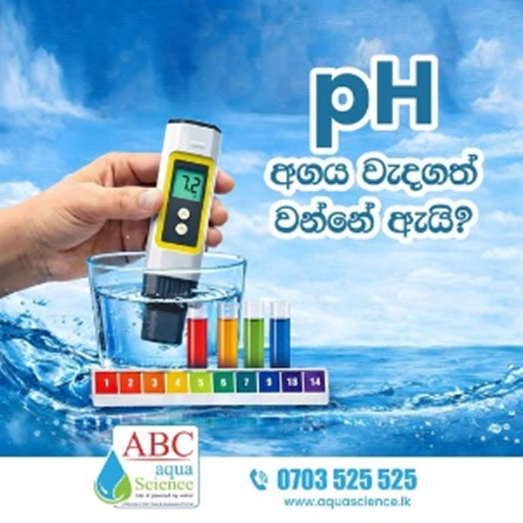
pH අගය යනු, ද්රාවණයක් කෙතරම් ආම්ලික (Acidic) හෝ ක්ෂාරීය (Alkaline) ද යන්න මැනීමකි. pH අගය යන පදය “හයිඩ්රජන් විභවය” යන්නෙන් අදහස් කරන අතර ද්රාවණයක පවතින හයිඩ්රජන් අයන (H⁺) සාන්ද්රණය නියෝජනය කරයි. එය රසායන විද්යාව, පාරිසරික විද්යාව, ජීව විද්යාව, ජල පිරිපහදු කිරීම සහ කර්මාන්තයේ වැදගත්ම පරාමිතීන්ගෙන් එකකි.
pH පරිමාණය සාමාන්යයෙන් 0 සිට 14 දක්වා පරාසයක පවතී:
• pH < 7 → ආම්ලික
• pH = 7 → උදාසීන
• pH > 7 → ක්ෂාරීය
25°C හි පිරිසිදු ජලයේ උදාසීන pH අගය 7.0 කි. පානීය ජලයේ pH අගය සාමාන්යයෙන් 6.5 සහ 8.5 අතර විය යුතුය.
pH අගය රසායනික ප්රතික්රියා, ජීව විද්යාත්මක ක්රියාවලීන් සහ ද්රව්ය ස්ථායිතාවයට බලපායි. pH අගයෙහි කුඩා වෙනස්කම් පවා විශාල බලපෑම් ඇති කළ හැකිය.
බොහෝ නිවාස භාවිතා කරන්නේ:
• නල ළිං
• කැණීම් කරන ලද ළිං
• ගබඩා කරන ලද ජල ටැංකි
• Reverse Osmosis (RO) පද්ධති
ජලයේ pH අගය ආරක්ෂිත පරාසය තුළ නොමැති නම්:
• නල මාර්ග විඛාදනයට හෝ අවහිර වීමට ඉඩ ඇත.
• ජල ගබඩා ටැංකි වලට හානි විය හැක.
• කේතල් සහ හීටර් වැනි උපකරණ වලට හානි විය හැක.
නිතිපතා pH අගය පරීක්ෂා කිරීම නිවාසවල ගැටළු බරපතල වීමට පෙර හඳුනා ගැනීමට උපකාරී වේ.
භූගත ජලයේ pH අගය පහත සඳහන් හේතු නිසා වෙනස් වේ.
• පාංශු සහ පාෂාණ සංයුතිය
• කෘෂිකාර්මික පොහොර
• කාර්මික බැහැර කිරීම
• වෙරළබඩ ප්රදේශවල මුහුදු ජලය ඇතුළු වීම
සමහර ප්රදේශවල ළිං ජලය අධික ආම්ලික හෝ අධික ක්ෂාරීය බවට පත් වන අතර එමඟින් පිරිපහදු කිරීමකින් තොරව පානය කිරීමට නුසුදුසු වේ.
pH අගය සහ පාරිසරික බලපෑම:
• ගංගා, විල් සහ ජලජ ජීවීන් සඳහා ජල pH අගය ඉතා වැදගත් වේ.
• මත්ස්යයන් සහ ජලජ ජීවීන් pH අගය 6.5 සහ 8.5 අතර කාලය තුළ හොඳින්ම ජීවත් වේ.
• හදිසි pH අගය වෙනස් වීම නිසා මාළු මිය යා හැකි අතර, පරිසර පද්ධති වලට හානි විය හැක.
• ආම්ලික ජලය, බෝග සහ පසෙහි පෝෂ්ය පදාර්ථ වලට හානි කරන අතර ක්ෂාරීය ජලය පෝෂක අවශෝෂණය අවහිර කරයි.
• කාර්මික අපද්රව්ය සහ පිරිපහදු නොකළ අපද්රව්ය ස්වභාවික pH සමතුලිතතාවය වෙනස් කළ හැකිය.
• නිසි pH අගය පවත්වා ගැනීම ස්වභාවධර්මය සහ ජෛව විවිධත්වය ආරක්ෂා කිරීමට උපකාරී වේ.
• වාරිමාර්ග ජලයේ pH අගය පරීක්ෂා කිරීම, නිරෝගී පස සහ වඩා හොඳ අස්වැන්නක් සහතික කිරීමට උපකාරී වේ.
pH අගය මැනිය හැක්කේ:
1. pH කඩදාසි / තීරු (pH Indicator Papers)
• සරල සහ ඉක්මන් ක්රමයකි.
• වර්ණ සංසන්දන ක්රමයකි
• නිරවද්යතාවය අඩුය.
2. pH මීටරය
• වීදුරු ඉලෙක්ට්රෝඩයක් සහිත ඉලෙක්ට්රොනික උපාංගයකි.
• ඉහළ නිරවද්යතාවයක් ඇත.
බෆර් ද්රාවණ භාවිතයෙන් ක්රමාංකනය කිරීම අවශ්ය වේ. (pH 4, 7 සහ 10).
pH අගයට බලපාන සාධක
• උෂ්ණත්වය
• ද්රාවිත වායූන් (CO₂ pH අගය අඩු කරයි)
• රසායනික දූෂක
• ජීව විද්යාත්මක ක්රියාකාරිත්වය
• ඛනිජ අන්තර්ගතය
pH අගය වැඩි කිරීමට (ආම්ලිකතාවය අඩු කිරීමට):
• Lime (CaCO₃)
• සෝඩියම් හයිඩ්රොක්සයිඩ් (NaOH)
pH අගය අඩු කිරීමට (ක්ෂාරීයතාව අඩු කිරීමට):
• සල්ෆියුරික් අම්ලය
• හයිඩ්රොක්ලෝරික් අම්ලය
• කාබන්ඩයොක්සයිඩ්, හාවිතා කල හැක.
මිනිසුන් තම ජලය පරීක්ෂා නොකරන නිසා ජලය ආශ්රිත බොහෝ ගැටළු නොදැනේ. pH අගය දෘශ්යමාන නොවේ, කුඩා වෙනස්කම් වලදී රසෙහි වෙනසක් නොමැති අතර බොහෝ විට නොසලකා හරිනු ලැබේ.
pH අගය තේරුම් ගැනීමෙන්:
• පවුල්වලට ඔවුන්ගේ සෞඛ්යය ආරක්ෂා කර ගත හැකිය.
• ප්රජාවන්ට ජල ආරක්ෂාව වැඩි දියුණු කළ හැකිය.
• බලධාරීන්ට පිරිසිදු ජල සැපයුමක් සහතික කළ හැකිය.
Author – සංචිලා හපුතැන්න
- Published in Uncategorized
Drinking Clean Water is Essential
- දිට්වා සුළි කුණාටුවේ බලපෑමෙන් ඇතිවූ ගංවතුර තත්ත්වය ශ්රී ලංකාව පුරා පුළුල් විනාශයක් ඇති කර තිබේ. නිවාස, මාර්ග සහ ජීවනෝපායන් නැවත ගොඩනැගීම සඳහා ප්රජාවන් වෙහෙස නොබලා කටයුතු කරන අතරතුර, දූෂිත පානීය ජලය නිසා සැඟවුණු හා හදිසි තර්ජනයක් මතුවෙමින් පවතී. බොහෝ ජල මූලාශ්ර ගංවතුරට නිරාවරණය වී ඇති අතර, ඔබ නිවසේ පවතින ළිං හෝ කරාමවලට පවා හානිකර රෝග කාරක හෝ රසායනික ද්රව්ය ඇතුල් වීමට ඉඩකඩ පවතී.
ගංවතුර ජලයෙහි:
* අපද්රව්ය සහ මඩ
* E. coli වැනි හානිකර බැක්ටීරියා
* කෘෂිකාර්මික රසායනික ද්රව්ය සහ ඉන්ධන
* කාර්මික අපද්රව්ය, අඩංගු විය හැක.
පරීක්ෂා නොකළ හෝ පිරිපහදු නොකළ ජලය පරිභෝජනය කිරීම පාචන රෝග, ටයිපොයිඩ්, හෙපටයිටිස් A/E, ලෙප්ටොස්පයිරෝසිස් සහ වෙනත් ආසාදන ඇතුළු බරපතල සෞඛ්ය අවදානම් වලට හේතු විය හැක. ළමුන්, වැඩිහිටියන් සහ දුර්වල ප්රතිශක්තිකරණ පද්ධතියක් ඇති පුද්ගලයින් විශේෂයෙන් මෙම අවදානමට ලක් වේ.
ඔබ කළ යුතු දේ :
- පානය කිරීමට පෙර ඔබේ ජල ප්රභවය පරීක්ෂා (Water Quality Testing) කරන්න.
- පානය කිරීමට පෙර ජලය හොඳින් උණු කරගන්න.
- ක්ලෝරීන් හෝ අනුමත විෂබීජහාරක භාවිතා කරන්න.
- විෂබීජහරණය කර පරීක්ෂා කරන තුරු ගංවතුර අවට ඇති ළිං භාවිතා කිරීමෙන් වළකින්න.
- හැකි සෑම විටම බෝතල් කළ හෝ පිරිපහදු කළ ජලය භාවිතා කරන්න.
- අපවිත්ර වීම වැළැක්වීම සඳහා මුද්රා තැබූ පිරිසිදු බහාලුම්වල ජලය ගබඩා කර තබා ගන්න.
ඔබේ සෞඛ්යය සහ ආරක්ෂාව රඳා පවතින්නේ සුපරීක්ෂාකාරීව සිටීම මත ය. මෙම තොරතුරු පවුලේ අය, අසල්වාසීන් සහ මිතුරන් සමඟ බෙදා ගන්න. නිසි ජල ආරක්ෂණ පිළිවෙත් අනුගමනය කරන්න. මෙය බලපෑමට ලක් වූ ප්රජාවන් තුළ ද්විතියික සෞඛ්ය අර්බුදයක් වළක්වා ගැනීමට උපකාරී වේ.
ආරක්ෂිත පානීය ජලය අත්යවශ්යයි – කිසිදු අවදානමක් නොගන්න.
සටහන: සංචිලා හපුතැන්න
- Published in Uncategorized
Why Sewage Treatment Matters in Sri Lanka
- Sewage Treatment Plants (STPs) in Sri Lanka – Sustainable Solutions by ABC Aqua Science
Across Sri Lanka, the demand for effective wastewater management continues to rise as rapid urban development, growing tourism, and expanding industries place increasing stress on our natural water resources. Untreated sewage can pollute rivers, contaminate groundwater and create serious health risks for surrounding communities.
A modern Sewage Treatment Plant (STP) is no longer optional anymore; it is essential for proper wastewater management. With strict discharge standards set by the Central Environmental Authority (CEA), every facility must ensure that wastewater is treated to safe, compliant levels before being released into the environment.
Why Wastewater Treatment Plants Are Important in Sri Lanka?
- Safeguarding Water Sources
- Protecting Community Health
- Reducing Long-term costs
- Promoting Sustainable Development
- Ensuring Compliance with CEA Requirements
Why Choose Our Fuji Clean Sewage Treatment Plants?
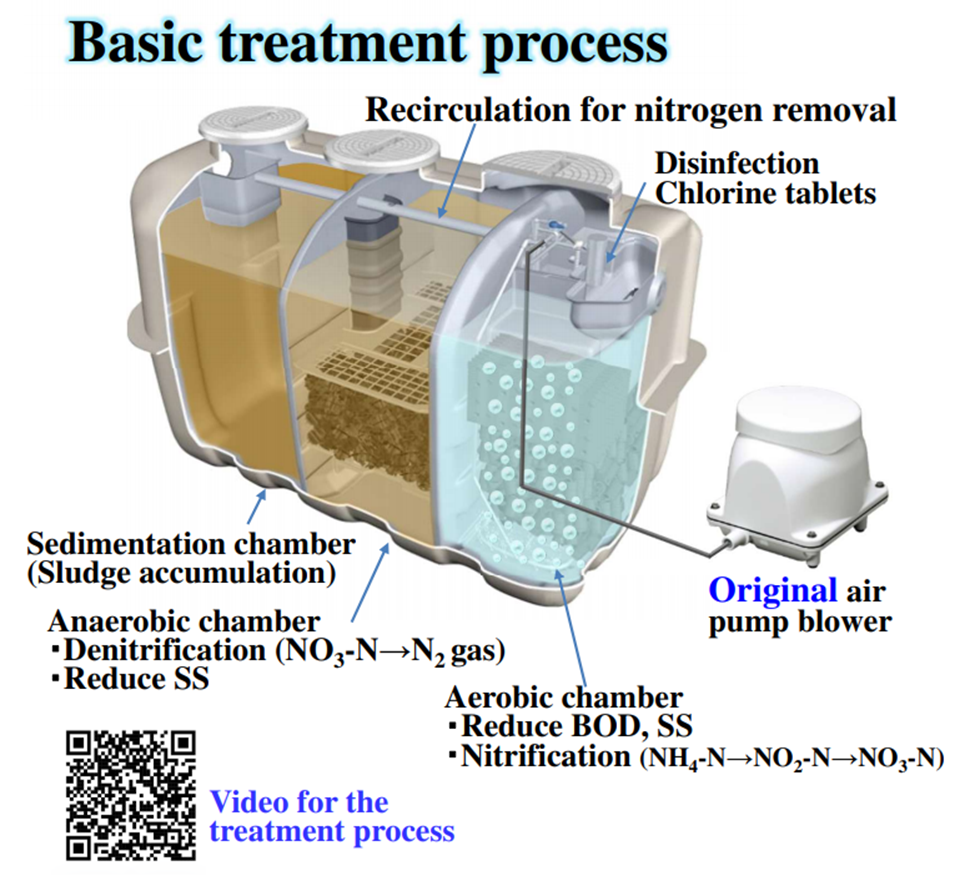
FujiClean from Japan is a developer of on-site wastewater treatment technology and is one of the world’s leading manufacturers of residential and commercial wastewater treatment systems or “JOHKASOU ” in Japanese. FujiClean will continue to develop and provide wastewater treatment systems with optimal performance to ensure a safe and clean water environment for future generations.
As a trusted importer and provider of Fuji Clean Japan’s advanced STP systems, our company has taken the lead in delivering compact, energy-efficient, and reliable treatment solutions across Sri Lanka. Fuji Clean technology is globally recognized for its high treatment performance, low power consumption, and long operational lifespan. Whether it’s a small housing project or a large commercial development, we deliver systems that meet both environmental standards and the operational needs of our clients.
Our Sewage Treatment Plants Are Trusted By
- Hotels & resorts
- Hospitals & medical centers
- Residential apartments & housing projects
- Factories & industrial zones
- Universities & other institutions
- Published in Uncategorized
ICTAD 4 certified contractor in Water Treatment & construction

From humble beginnings to a strong presence in the industry, ABC Trade & Investments (Pvt) Ltd., through our division Aqua Science ABC Environment Solutions – Sri Lanka, is proud to be an ICTAD 4 certified contractor in Water Treatment and related construction.
We are thrilled to have been recognized with a Merit Award in “Water Supply Engineering” by National Construction Association of Sri Lanka NCASL for our successful project with the Department of National Community Water Supply. This achievement reflects our commitment to quality and excellence in delivering sustainable water solutions!
- Published in Uncategorized
කාර්මික අපජල පිරිපහදුව සඳහා Electrocoagulation තාක්ෂණය උපයෝගී කර ගනිමු
ජලය අප සතු වටිනාම සම්පතකි. සිදුවන සීඝ්ර කර්මාන්ත වර්ධනය සහ නාගරික ජනගහණය වැඩි වීමත් සමඟ පිරිසිදු ජලය සඳහා අධික ඉල්ලුමක් පවතී. එම නිසාවෙන්ම ඵලදායී අපජල පිරිපහදුව අද වන විට වඩාත් කාලීන මාතෘකාවක් වී ඇත. රජයේ නියාමන ප්රමිතීන් සපුරාලීමට පමණක් නොව අපගේ පරිසරය සුරැකීමට ද තිරසාර ජල ප්රතිභාවිත ක්රමෝපායන්වල අවශ්යතාවය ඉතා වැදගත් වේ. විශාල වශයෙන් අපජලය නිපදවෙන කර්මාන්ත අංශයන් සඳහා එම අපජලය කාර්යක්ෂමව පිරිපහදු කිරීම සඳහා ප්රබල විසඳුමක අවශ්යතාවය පැන නගී. එයට පිළියමක් වශයෙන් Electrocoagulation තාක්ෂණය හඳුන්වා දිය හැක.
ජලය ප්රතිභාවිතය (නැවත භාවිතය) වැදගත් වන්නේ ඇයි?
නිෂ්පාදන ක්රියාවලියේ සිට සිසිලන පද්ධති දක්වා විවිධ කාර්මික ක්රියාවලීන්හි අත්යවශ්ය කාර්යභාරයක් ජලය විසින් ඉටු කරයි. ජල හිඟය ගෝලීය ගැටලුවක් බවට පත්වීමත් සමඟ, පිරිපහදු කළ අපජලය නැවත භාවිතා කිරීම හුදෙක් ක්රියාවලියක් පමණක් නොව; එය අපගේ ජල සම්පත් සංරක්ෂණය සඳහා අත්යවශ්ය පිළිවෙතකි. අපජලය ඵලදායි ලෙස පිරිපහදු කිරීම සහ නැවත භාවිතා කිරීම මගින් කර්මාන්තවලට ඒවායේ ජල පරිභෝජනය සැලකිය යුතු ලෙස අඩු කර ගත හැකි අතර එය තිරසාර සංවර්ධනය සඳහා ද දායක වේ.
අපජලය පිරිපහදු කරන්නේ ඇයි?
කාර්මික අපජලය තුළ බැර ලෝහ, තෙල් සහ කාබනික ද්රව්ය වැනි බොහෝ අපවිත්ර ද්රව්ය අන්තර්ගත වේ. මෙම ජල දූෂක නිසි ලෙස කළමනාකරණය නොකළහොත් ඒවා මිනිස් සෞඛ්යයට මෙන්ම පරිසරයට ද බරපතළ හානි හෝ අහිතකර බලපෑම් සිදු විය හැක. අපජලය පරිසරයට මුදා හැරීමට හෝ නැවත භාවිත කිරීමට ආරක්ෂිත බව තහවුරු කර ගැනීම සඳහා වඩාත් කර්යක්ෂම අපජල පිරිපහදු ක්රම අවශ්ය වේ. පවතින සාම්ප්රදායික අපජල පිරිපහදු ක්රියා පටිපාටිවලට වඩා Electrocoagulation තාක්ෂණය බොහෝ වාසි සහිත ප්රවේශයකි.
කුමක් ද මේ Electrocoagulation තාක්ෂණය?
Electrocoagulation (EC) යනු අපජලයෙන් දූෂක ඉවත් කිරීම සඳහා ලෝහ ඉලෙක්ට්රෝඩ දෙකක් – ඇනෝඩයක් සහ කැතෝඩයක් භාවිතා කරන විද්යුත් විච්ඡේදන ක්රියාවලියකි. විද්යුත් විච්ඡේද්යය (සාමාන්යයෙන් ජලය) හරහා සෘජු ධාරාවක් (DC – Direct Current) ගමන් කිරීමෙන් ලෝහ අයන ඇනෝඩයෙන් ද හයිඩ්රජන් වායුව කැතෝඩයෙන් ද මුදා හැරේ. මෙම ක්රියාවලිය හේතුවෙන් හයිඩ්රොක්සයිඩ් සංකීර්ණ සෑදීම හරහා අපජලයේ ඇති අංශු උදාසීන කර, ඒවා කැටි ගැසීමට මග පාදයි. අනෙකුත් ක්රම මෙන් නොව, Electrocoagulation මගින් මෙම කැටිති මතුපිටට පාවීමට හැකියාව ලබා දෙයි, එහිදී ඒවා පහසුවෙන් ඉවත් කළ හැකිය, නැතහොත් sludge ලෙස පතුලෙහි තැන්පත් වූ පසු ඉවත් කළ හැකිය.
අපි Electrocoagulation නිර්දේශ කරන්නේ ඇයි?
Electrocoagulation තාක්ෂණය පහත සඳහන් අකාරයට, දැනට පවතින සාම්ප්රදායික අපජල පිරිපහදු කිරීමේ ක්රමෝපායන්ගෙන් වෙනස් වේ.
- ඉහළ කාර්යක්ෂමතාව: Electrocoagulation මඟින් ජලයේ අවලම්බිත ඝන අංශු, බැර ලෝහ සහ ඇතැම් ද්රාවිත කාබනික ද්රව්ය පවා ඵලදායී ලෙස ඉවත් කර නැවත භාවිතයට සුදුසු පිරිපහදු කළ ජලය ලබා දේ.
- අවම රසායනික ද්රව්ය භාවිතය: රසායනික කැටිති කාරක ක්රියාවලීන් (Flocculation) මෙන් නොව EC තාක්ෂණය, ජල පිරිපහදුව සඳහා විවිධ රසායනික ද්රව්ය භාවිතය අවම කරයි. එම නිසා පිරිපහදු කළ ජලයෙහි කිසිඳු සෞඛ්යට අහිතකර ද්රව්ය අවශේෂ වීමට ඇති සම්භාවිතාවය ඉතා අඩු වේ.
- නම්යශීලී බව: මෙම ක්රියාවලිය විවිධ කාර්මාන්ත මෙන්ම විවිධ වර්ගයේ අපලජලයන් පිරිපහදු කිරීම සඳහා සඳහා සුදුසු වන පරිදි පහසුවෙන් පරිවර්තනය කළ හැක.
Electrocoagulation හි ප්රතිලාභ
- පිරිපහදු කළ අපජලයේ ගුණාත්මකභාවය: මෙමගින් අපජලයේ Turbidity, TSS, COD සහ අනෙකුත් දූෂක ද්රව්යවල කැපී පෙනෙන අඩුවීමක් ලබා ගත හැකි අතර, එහි ප්රතිඵලයක් ලෙස පැහැදිලි සහ ක්ෂුද්ර ජීවීගේන් තොර ජලය ලබා ගත හැක.
- අවම පිරිවැය: රසායනික කැටිති කාරක අවශ්යතා අඩුවීම සහ අඩු sludge ප්රමාණය සමඟ, මෙහෙයුම් පිරිවැය සැලකිය යුතු ලෙස අවම කර ගත හැක.
- පරිසර හිතකාමී: මෙය අඩු අපද්රව්ය ප්රමාණයක් නිපදවන ක්රියාවලියක් වන අතර අතර අපජල කළමනාකරණය සඳහා තිරසාර විසඳුමක් ඉදිරිපත් කරයි.
- මොඩියුලර් නිර්මාණය: කාර්මික අවශ්යතා වෙනස් වන විට පහසු පරිදි වැඩිදියුණු කිරීම් සහ අනුවර්තනය කිරීමට ඉඩ සැලසීමේ හැකියාව මෙයට ඇත.
අවශ්යතා අනුව, තාක්ෂණය වැලි පෙරහන් (sand filters) හෝ සෙරමික් පටල පෙරහන් (ceramic membrane filters) වැනි උසස් පෙරීමේ පද්ධති සමඟ ඒකාබද්ධ කර ඉතිරි අංශු කාර්යක්ෂමව ඉවත් කර අප තවදුරටත් අපජලය පිරිසිදු කිරීමේ ප්රතිකාර ක්රියාවලියක් ලෙස වැඩි දියුණු කළ හැකිය. සෙරමික් පටල පෙරහන් විශේෂයෙන් ලවණ සහිත පරිසර තත්ව වල පවා අපජලය පිරිපහදු කිරීම වැනි දුෂ්කර යෙදුම් සඳහා හොඳින් ගැලපේ. වැලි පෙරහන් සාමාන්ය පරිසරයක් තුළ ඵලදායී හා ලාභදායී විකල්පයක් ඉදිරිපත් කළ හැකිය.
කර්මාන්ත විසින් අපජලය මුදා හැරීමේදී සිදුවන පාරිසරික බලපෑම අවම කිරීම සඳහා විශාල පීඩනයකට මුහුණ දෙන බැවින්, Electrocoagulation තාක්ෂණය ඵලදායී අපජල පිරිපහදු කිරීම සඳහා ප්රබල විසඳුමකි. එහි කාර්යක්ෂමතාව, අවම පිරිවැය, ඵලදායීතාවය සහ නම්යශීලී බව හේතුවෙන් රජයේ නියාමන අවශ්යතා සපුරාලීමට මෙන්ම තිරසාර ජල ප්රතිභාවිත පිළිවෙත් ප්රවර්ධනය කිරීමටත් කදිම අපජල පිරිපහදු කිරීමේ ක්රමයකි. Electrocoagulation වැනි නව්ය තාක්ෂණයන් වැලඳ ගැනීමෙන්, අපට පිරිසිදු, වඩා තිරසාර අනාගතයක් සඳහා මග පාදාගත හැකිය.
අදහස හා සංකලනය
නිපැයුම් විශේසඥ – තරුෂි කාරියවසම්
අධීක්ෂණය
ප්රවීණ උපදේශක – ඉංජිනේරු සුමිත සුමනවීර
ඒ. බී. සී. වෙළඳ හා ආයෝජන පුද්ගලික සමාගම
- Published in Uncategorized
Harnessing Electrocoagulation Technology
Introduction
Water is one of our most precious resources. As industries grow and urban populations swell, the demand for clean water increases, making effective wastewater treatment more crucial than ever. The need for sustainable water reuse practices is paramount, not just to meet regulatory standards but also to preserve our environment. In this context, Electrocoagulation technology emerges as a powerful solution for treating industrial wastewater efficiently.
The Importance of Water and Water Reuse
Water plays an essential role in various industrial processes, from manufacturing to cooling systems. With water scarcity becoming an urgent global issue, reusing treated wastewater is not just a regulatory requirement; it’s a vital practice for conserving our water resources. By effectively treating and reusing wastewater, industries can significantly reduce their water footprint, thus contributing to sustainable development.
Why Treat Wastewater?
Many contaminants, such as heavy metals, oils and organic substances, are frequently found in industrial wastewater. If these pollutants are not properly managed, they might seriously harm both human health and the environment. In order to make sure that effluents are safe for releasing to the environment or reusing, advanced wastewater treatment methods are necessary. With many advantages over conventional wastewater treatment procedures, Electrocoagulation is a unique approach.
What is Electrocoagulation?
Electrocoagulation (EC) is an electrolytic process that uses two metal electrodes—an anode and a cathode—to remove pollutants from wastewater. By passing a direct current (DC) through the electrolyte (typically water), ions are released at the anode and hydrogen gas at the cathode. This process neutralizes particulates in the wastewater through the formation of hydroxide complexes, leading to the creation of agglomerates. Unlike other methods, Electrocoagulation enables these agglomerates to float to the surface, where they can be easily skimmed off or they can be removed once they are settled down as sludge.
Why We Recommend Electrocoagulation
Electrocoagulation differs from conventional treatment methods in several key ways:
- High Efficiency: EC can effectively remove suspended solids, heavy metals, and even some dissolved organics, leading to high-quality effluent suitable for reuse.
- Reduced Chemical Use: Unlike traditional coagulation methods that rely heavily on chemical coagulants, EC minimizes chemical additives, reducing the potential for harmful residuals in treated water.
- Flexibility: The process can be adapted to various types of wastewaters, making it suitable for different industrial applications.
Benefits of Electrocoagulation
- Improved Water Quality: Electrocoagulation can achieve remarkable reductions in turbidity, total suspended solids (TSS), COD and other pollutants, resulting in clear and pathogen-free water.
- Cost-Effective: With reduced chemical requirements and lower sludge volumes, operational costs can be significantly minimized.
- Environmentally Friendly: The process produces less waste and offers a sustainable solution to wastewater management.
- Modular Design: Electrocoagulation systems can be designed for modular scalability, allowing for easy upgrades and adaptations as industrial needs change.
Integration with Advanced Filtration
Depending on the needs, electrocoagulation can be combined with advanced filtration systems like sand filters or ceramic membrane filters to improve the treatment process by efficiently removing remaining particulates and further purifying the effluent. Because of their high flux rates and low-pressure losses, ceramic membranes are especially well-suited for difficult applications like saltwater desalination. Meanwhile, sand filters can offer an effective and cost-effective alternative in less demanding environments.
Conclusion
As industries face increasing pressure to minimize their environmental impact, Electrocoagulation technology presents a compelling solution for effective wastewater treatment. Its efficiency, cost-effectiveness, and flexibility make it an ideal choice for industries aiming to meet regulatory requirements and promote sustainable water reuse practices. By embracing innovative technologies like Electrocoagulation, we can pave the way for a cleaner, more sustainable future.
- Published in Uncategorized
- 1
- 2